



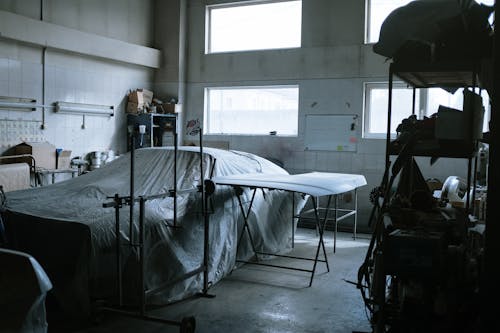
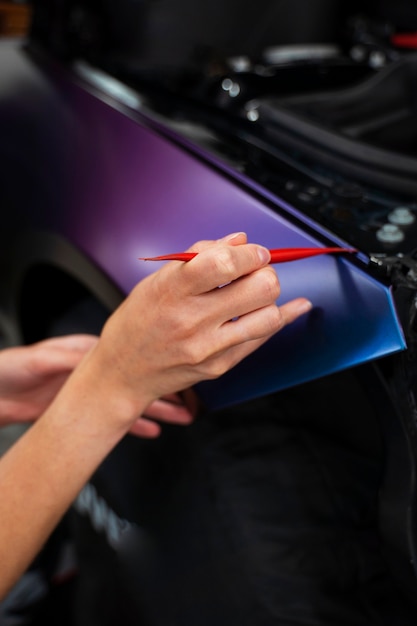
The world of automotive paint is both an art and a science. A vehicle’s paint job is more than just a cosmetic touch; it’s a statement of personality, a protective barrier, and a reflection of meticulous craftsmanship. Whether you’re restoring a classic car, customizing a vehicle, or simply touching up scratches, selecting the right paint requires thoughtful consideration. This ultimate guide to automotive paint will help you navigate the options and make informed choices.
Understand the Basics of Automotive Paint
Before diving into automotive paint selection tips, it’s important to understand the primary components of automotive paint. Paint systems typically consist of a primer, base coat, and clear coat.
- Primer: This is the foundation layer that ensures the paint adheres to the surface.
- Base Coat: This is the color layer and arguably the most important part of the visual appeal.
- Clear Coat: A transparent protective layer that adds shine and shields the paint from UV rays, moisture, and minor abrasions.
By understanding these layers, you’ll appreciate why choosing the right paint system is essential for durability and aesthetics.
Types of Automotive Paint
One of the key steps in any guide to perfect automotive paint is understanding the different types of paint available. Each type has unique properties, and the right choice will depend on your goals and the intended use of the vehicle.
Acrylic Paint
Acrylic paints are known for their ease of use and affordability. They are available in lacquer, enamel, and urethane forms. Acrylic lacquer provides a glossy finish but lacks durability, making it better suited for show cars rather than daily drivers.
Urethane Paint
Urethane paints are highly durable, resistant to UV light, and provide a long-lasting finish. They are commonly used in modern vehicles due to their resilience and glossy appearance.
Water-Based Paint
Water-based paints are an environmentally friendly option, gaining popularity for their low volatile organic compound (VOC) content. They provide vibrant color choices and are often used in custom paint jobs.
Metallic and Pearlescent Paint
Metallic paint contains tiny metal flakes that reflect light, while pearlescent paint adds a shimmering effect. These options are ideal for those who want a high-end, eye-catching finish.
Factors to Consider When Choosing Automotive Paint
Selecting the perfect paint isn’t just about color. Here are some critical factors to consider when deciding how to choose the right automotive paint.
Purpose and Usage
Think about how the vehicle will be used. Is it a show car that requires a flawless, glossy finish? Or is it a daily driver exposed to harsh weather conditions?
Color Selection
Choosing the right color can be both exciting and daunting. Darker colors like black and navy blue are classic but tend to show scratches and dirt more easily. Lighter colors like white and silver are practical for heat reflection and easier maintenance.
Climate and Environment
In sunny regions, UV-resistant paints and clear coats are essential to prevent fading. In colder climates, consider paint systems with superior rust prevention properties.
Application Method
Some paints, like urethane, require a skilled hand and professional equipment for proper application. If you’re a DIY enthusiast, look for paint types that are easier to handle, like acrylic enamel or water-based options.
Tips for a Flawless Finish
A great paint job doesn’t end with selecting the paint. Following proper preparation and application techniques ensures the best results.
- Surface Preparation: Clean and sand the vehicle thoroughly to remove any existing paint or imperfections.
- Use Quality Materials: Invest in high-quality paint, primers, and clear coats.
- Follow Manufacturer Guidelines: Adhere to the recommended mixing ratios, drying times, and application methods.
- Work in a Controlled Environment: Paint in a dust-free, temperature-controlled space.
Maintaining Your Automotive Paint Job
Once you’ve achieved the perfect paint finish, maintaining it is crucial. Regular washing, waxing, and polishing can extend the life of the paint. Avoid abrasive cleaning materials that could scratch the surface, and use products specifically designed for automotive finishes.
Conclusion
Selecting the right paint for your vehicle is a blend of technical knowledge, personal preference, and practicality. By following this ultimate guide to automotive paint, you can make an informed decision that enhances both the aesthetics and longevity of your car. Whether you’re restoring a classic beauty or customizing a modern ride, the right paint choice will ensure your vehicle stands out on the road while withstanding the test of time.
More Stories
The Pros and Cons of Matte vs. Glossy Automotive Paint
Top Automotive Paint Trends for 2024
How to Prevent Automotive Paint Chips and Scratches